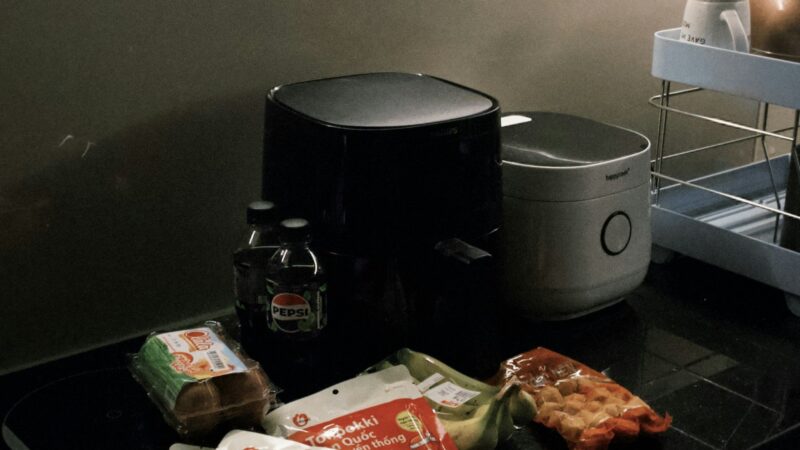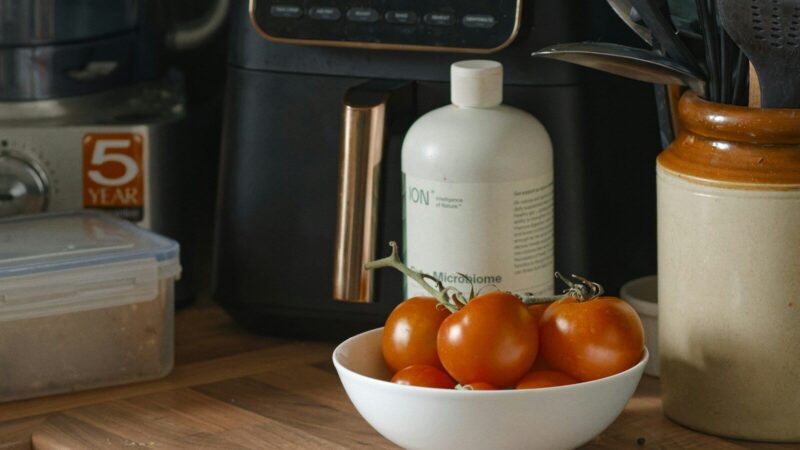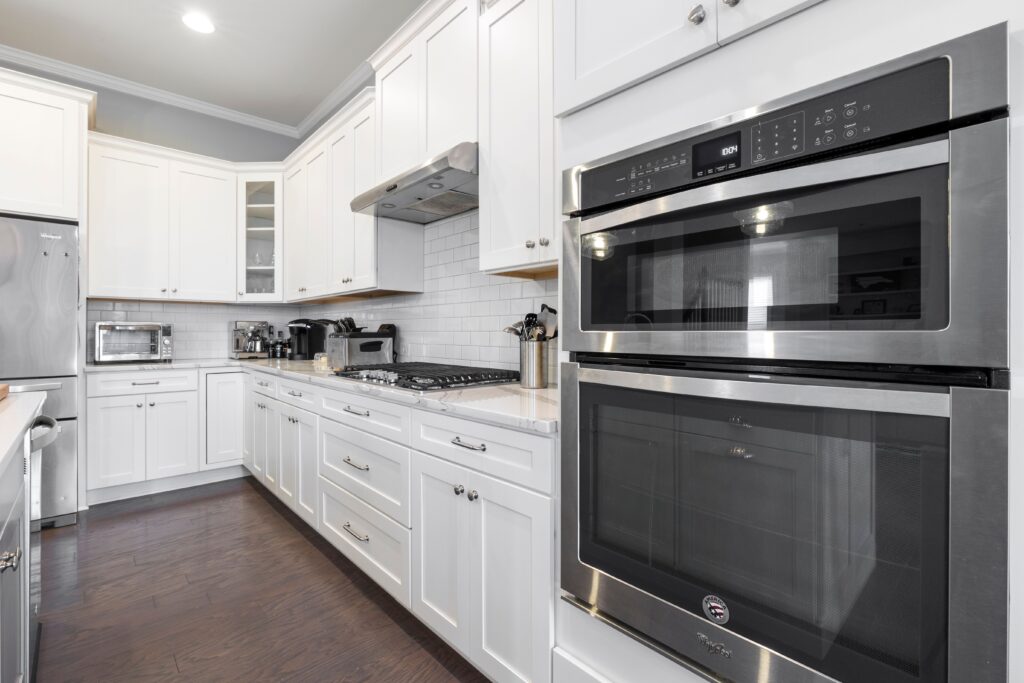
Quick answer: At the October–December 2026 price cap (26.32p per kWh for electricity, Direct Debit average), a typical 20-minute air fryer meal costs about 10p, while the same meal in an electric oven, including preheating, costs about 34p. That’s a saving of around 24p per meal, or roughly £50 a year if you swap four oven meals a week. Against a gas oven the saving is much smaller, because gas is about a third of the price of electricity per kWh.
“Air fryers are cheaper to run” is one of the main reasons people buy one, but the exact saving depends on what you’d otherwise use, how long you cook for and your energy tariff. This guide shows the maths with current UK prices so you can work out your own numbers, explains why the gap is smaller than some headlines suggest, and covers when the oven still makes more sense.
How to Work Out Running Costs
The formula is simple:
Power (kW) × hours of use × share of time the element is on × price per kWh = cost
- Power: on the label or in the manual. Most basket air fryers are 1.2–1.8kW (1,200–1,800W); dual-zone models are 2–2.6kW when both drawers run. Electric ovens are typically 2–3.5kW.
- Share of time on: appliances don’t draw full power the whole time. Once they reach temperature, the thermostat switches the element on and off. Around 60–80% is a fair average for an air fryer, and an oven runs near full power while preheating.
- Price: the Ofgem cap for 1 October to 31 December 2026 averages 26.32p per kWh for electricity and 7.97p per kWh for gas (Direct Debit). The electricity rate has no VAT, because VAT on domestic electricity is removed from October 2026 to March 2027; the gas rate includes 5% VAT. Your own rate may differ by region, payment method and tariff.
Standing charges are paid whatever you cook with, so they don’t change the comparison. Our guide to how many watts an air fryer uses goes into wattage in more detail.
Worked Examples at Current UK Prices
| Meal | Appliance | Energy used (est.) | Cost at 26.32p/kWh |
|---|---|---|---|
| Frozen chips for two (18 mins) | 1.5kW air fryer | about 0.35kWh | about 9p |
| Frozen chips for two (10 min preheat + 25 mins) | 2.4kW electric oven | about 1.0kWh | about 26p |
| Chicken thighs (25 mins) | 1.5kW air fryer | about 0.45kWh | about 12p |
| Chicken thighs (10 min preheat + 40 mins) | 2.4kW electric oven | about 1.4kWh | about 37p |
| Jacket potato (45 mins) | 1.5kW air fryer | about 0.8kWh | about 21p |
| Jacket potato (10 min preheat + 60 mins) | 2.4kW electric oven | about 1.8kWh | about 47p |
These are estimates using typical wattages and average thermostat cycling. The real figure for your kitchen depends on your appliance, how full it is and your tariff. A plug-in energy monitor (around £10–£20) will show you exactly how much your own air fryer uses.
Why the big difference? An oven has to heat a cavity of 60–70 litres, plus the heavy metal walls, before it starts cooking. An air fryer heats a 3–6 litre space, often needs no preheat, and usually cooks 20–30% faster.
What About a Gas Oven?
This is the part many comparisons leave out. Gas costs 7.97p per kWh under the current cap, about a third of the electricity price. A gas oven is less efficient and uses more energy, but because each unit is so much cheaper, a typical gas oven meal costs roughly 12–18p. That’s still more than an air fryer for a small meal, but the saving is only a few pence. If you cook with gas, the air fryer’s main advantages are speed and convenience rather than big savings.
How Much Could You Save in a Year?
| Swapped from an electric oven | Saving per meal | Saving per year |
|---|---|---|
| 2 meals a week | about 24p | about £25 |
| 4 meals a week | about 24p | about £50 |
| 7 meals a week | about 24p | about £87 |
For a £60–£120 air fryer, that means it can pay for itself in one to three years for a household that used the electric oven a lot. If you rarely used the oven, or use gas, the savings will be smaller.
How to Cut Running Costs Further
- Skip the preheat for most foods. Add a minute or two instead.
- Cook in batches or use a dual-zone model to cook a main and side together, rather than running the appliance twice.
- Don’t overfill. An overloaded basket cooks more slowly and unevenly, costing more in the end.
- Keep it clean. Grease on the element and fan reduces efficiency. See the maintenance guide.
- Use off-peak rates if you’re on a time-of-use tariff and can cook earlier or later.
When the Oven Is the Better Choice
For big quantities, the oven can be just as efficient per portion. A full Sunday roast for six, a large lasagne or two trays of food at once may need several air fryer batches, and running it three times can cost more than the oven once. Large joints and big bakes also won’t fit. Compare the two in more depth in our air fryer vs oven, microwave and deep fryer guide.
Frequently Asked Questions
Does this account for an oven’s residual heat after it’s switched off?
Partly. Experienced cooks switch the oven off a few minutes early and let the residual heat finish the food, which saves a little. It doesn’t close the gap, because most of an oven’s energy goes into the preheat and heating the cavity.
Is an oven-style air fryer as efficient as a basket model?
Slightly less. Oven-style models have a larger cavity to heat and often a higher wattage, but they’re still much more efficient than a full-size oven for small meals.
Do off-peak or time-of-use tariffs change this?
Yes. If your off-peak rate is much cheaper and you can cook during it, both appliances become cheaper to run, but the air fryer stays cheaper in proportion.
Is an air fryer cheaper than a microwave?
Usually not. A microwave uses less energy for reheating and cooking food that doesn’t need to be crisp. The air fryer wins on texture.
Will the price cap change these numbers?
Yes. Ofgem reviews the cap every three months. Multiply the kWh figures in the table by your current unit rate to update them.