Quick answer: Most vegetables cook in an air fryer at 375–400°F (190–200°C) for 8–20 minutes. Toss in about 1 tablespoon of oil per pound, cut into even pieces, cook in a single layer and shake halfway. Quick-cooking vegetables like asparagus and zucchini take 7–10 minutes; dense roots and squash take 15–25.
When it’s -20°C outside, an air fryer is the fastest way to get hot, roasted vegetables on the table without heating the whole oven. It’s also perfect for Canadian seasonal produce: summer corn and zucchini, fall squash and Brussels sprouts, and the root vegetables and frozen veg that see most of us through winter. Here are times for common vegetables, a seasonal guide and tips for crisp, not soggy, results.
Air Fryer Vegetable Times
For about 1 lb (450 g) in a 5–6 quart basket, tossed in 1 tbsp oil, shaken halfway.
| Vegetable | Prep | Temperature | Time |
|---|---|---|---|
| Asparagus | Trimmed | 400°F (200°C) | 7–9 mins |
| Zucchini | ½-inch half-moons | 400°F (200°C) | 8–10 mins |
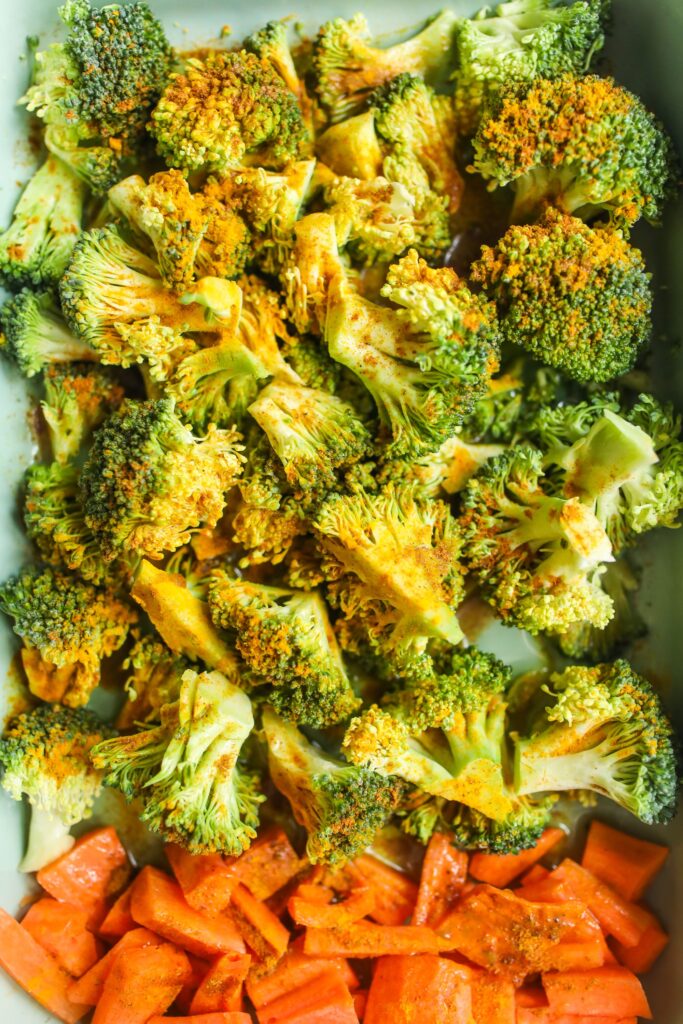
| Broccoli | Florets | 400°F (200°C) | 8–10 mins |
| Green beans | Trimmed | 390°F (200°C) | 8–10 mins |
| Bell peppers and onions | Strips | 400°F (200°C) | 10–12 mins |
| Mushrooms | Halved | 380°F (190°C) | 8–10 mins |
| Corn on the cob | Husked, halved | 400°F (200°C) | 10–14 mins |
| Cauliflower | Florets | 400°F (200°C) | 12–15 mins |
| Brussels sprouts | Halved | 375°F (190°C) | 12–16 mins |
| Carrots / parsnips | Batons, ½ inch | 380°F (190°C) | 15–20 mins |
| Butternut squash | 1-inch cubes | 390°F (200°C) | 15–20 mins |
| Beets | 1-inch cubes | 380°F (190°C) | 20–25 mins |
| Potatoes | 1-inch cubes | 400°F (200°C) | 18–22 mins |
| Sweet potatoes | 1-inch cubes | 390°F (200°C) | 15–18 mins |
A Canadian Seasonal Guide
- Spring: asparagus (Ontario and Quebec asparagus season is short, usually May to June), fiddleheads (always boil them for 15 minutes first, as Health Canada advises, then crisp them in the air fryer for 4–5 minutes) and radishes.
- Summer: zucchini, bell peppers, green beans and sweet corn. Air fryer corn is a good option when it’s too hot or rainy to grill.
- Fall: butternut, acorn and delicata squash, Brussels sprouts, cauliflower and apples for a side of roasted apple and squash.
- Winter: storage crops like carrots, parsnips, beets, rutabaga, cabbage and potatoes, plus frozen vegetables.
How to Get Crisp, Not Soggy, Vegetables
- Cut evenly. Pieces of the same size cook at the same rate.
- Dry them well after washing. Wet vegetables steam.
- Use about 1 tablespoon of oil per pound and toss in a bowl so every piece is coated.
- Season with salt, pepper and dried spices. Add fresh garlic, cheese or sauces near the end so they don’t burn.
- Cook in a single layer, or close to it. Overcrowding is the main cause of soggy vegetables.
- Shake halfway, then finish with lemon juice, fresh herbs or a drizzle of maple syrup.
Cooking Frozen Vegetables
Frozen vegetables are a winter staple, and they air fry well straight from frozen. Don’t thaw them. Toss in oil and seasoning, spread in a thin layer and cook at 400°F, shaking two or three times. Frozen broccoli and cauliflower take 12–15 minutes; frozen green beans 10–12; frozen mixed vegetables and peas and carrots 10–12 (they don’t crisp, but roast nicely). Frozen veg release more water, so give them a couple of extra minutes and don’t overload the basket.
Mixing Vegetables
You can roast a mix in one batch if you group vegetables by cooking time. Start dense ones like potatoes, carrots and squash first, then add quicker ones like peppers, zucchini and broccoli 8–10 minutes later. Alternatively, cut dense vegetables smaller and quick ones larger so they finish together. The Multi-Food Cooking Planner works out staggered start times.
Flavour Ideas
- Maple roasted roots: carrots and parsnips with a drizzle of maple syrup and thyme for the last 3 minutes.
- Garlic Parmesan: broccoli or cauliflower with garlic powder and a sprinkle of Parmesan at the end.
- Everything bagel: green beans or asparagus with everything bagel seasoning.
- Smoky: smoked paprika and cumin on sweet potatoes or squash.
Frequently Asked Questions
Do frozen vegetables work the same way?
Mostly. Cook them straight from frozen, add a few minutes and shake more often. They won’t get quite as crisp as fresh because they contain more water.
Why did my vegetables come out soggy?
Usually overcrowding, wet vegetables or too little oil. Cook a thinner layer, dry them well and toss in about 1 tbsp of oil per pound.
Can I cook a mix of vegetables together?
Yes. Start dense vegetables first, then add quick-cooking ones partway through, or cut them to different sizes so they finish together.
Do I need to preheat?
It helps a little with browning, but it isn’t necessary for vegetables.
Can I air fry fiddleheads?
Only after boiling them. Health Canada advises boiling fiddleheads for 15 minutes (or steaming for 10–12) before eating or cooking them further, to avoid illness.
More Canadian guides: air fryer chicken breast, frozen fries and poutine, and the full Canadian recipe hub.